About floriculture
.avif)
.avif)
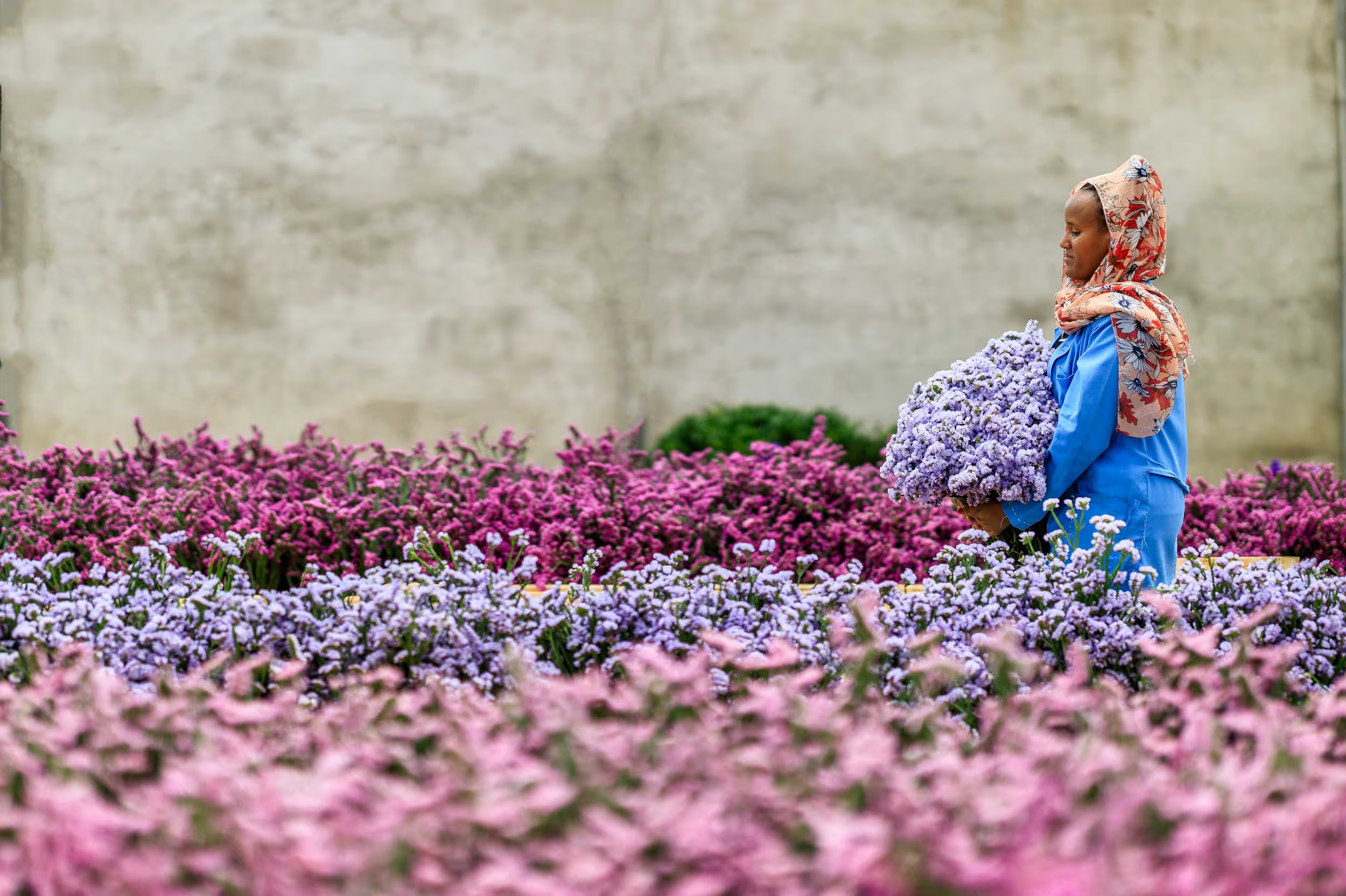
Flowers and plants color our lives
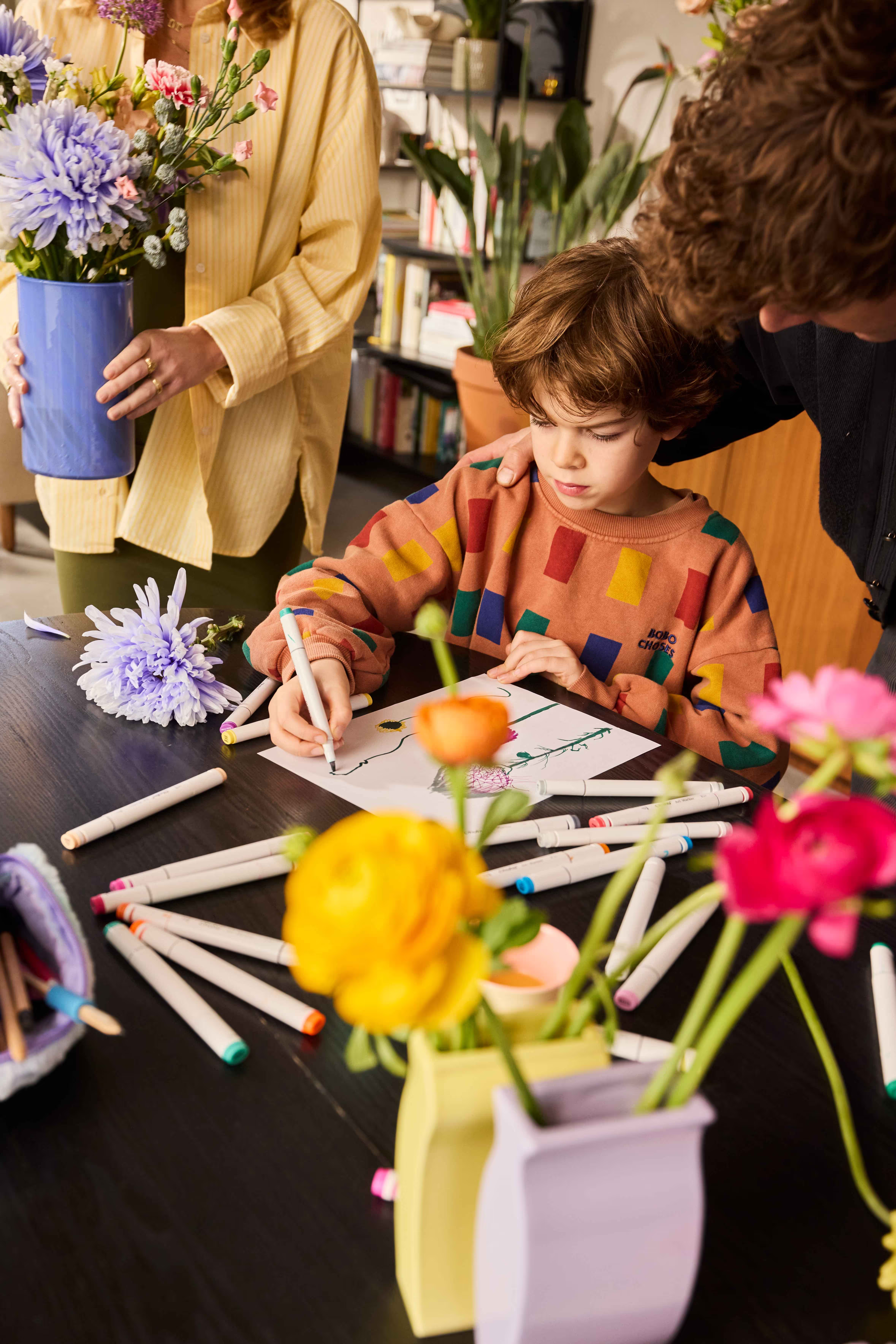
They bring happiness, comfort and connection. They are part of personal moments, from birth to farewell and everything in between. They add color to our daily life, bring peace to our home and thus enhance our well-being.
The flowers, plants, shrubs and trees around us work together to create a greener living environment. They provide cooling on hot days, help capture water better and attract insects and birds that keep the urban ecosystem healthy. In this way, they make the Netherlands more livable and help our environment better adapt to a changing climate. This is supported by a sector that cultivates flowers, plants and trees with expertise and makes them available.
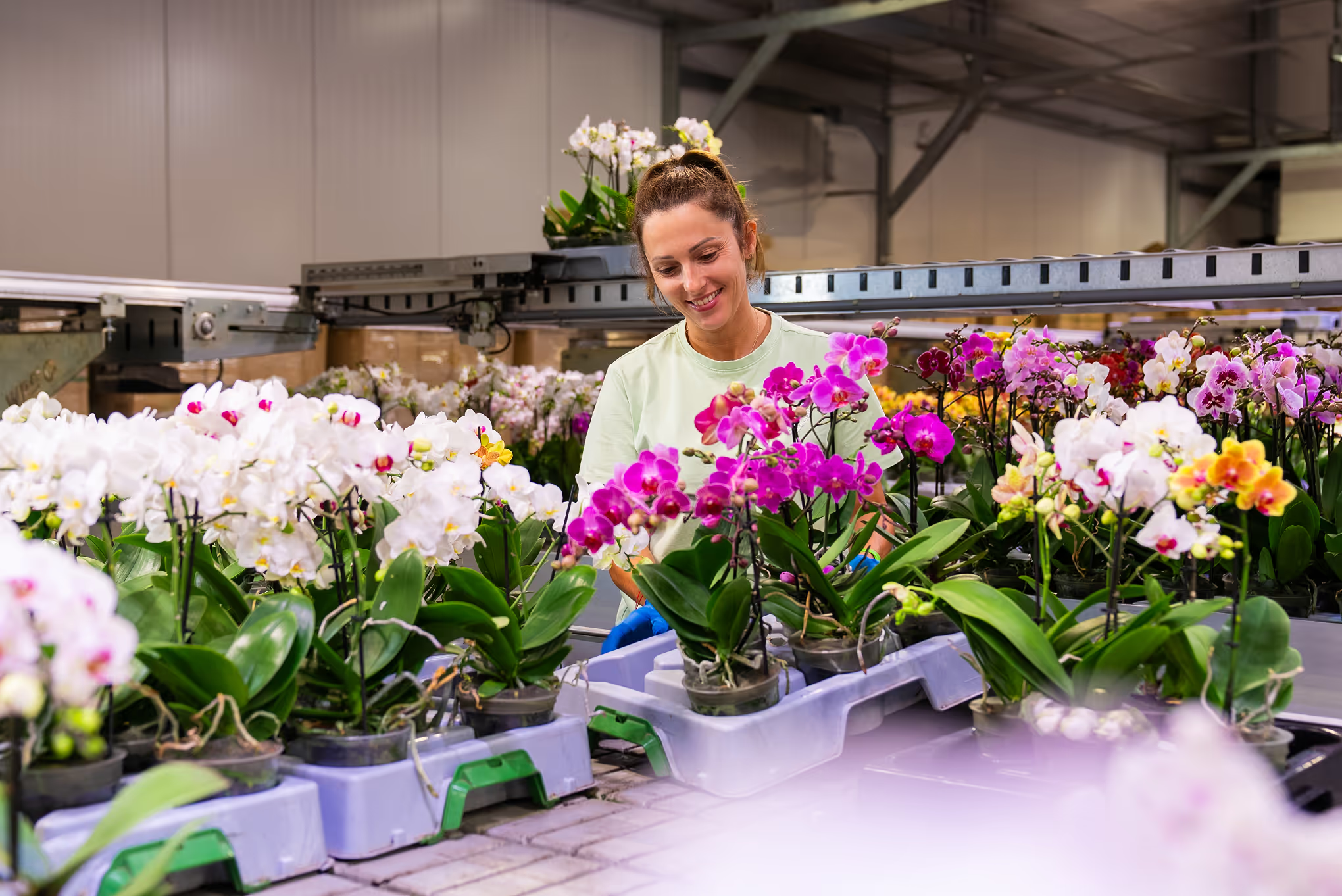
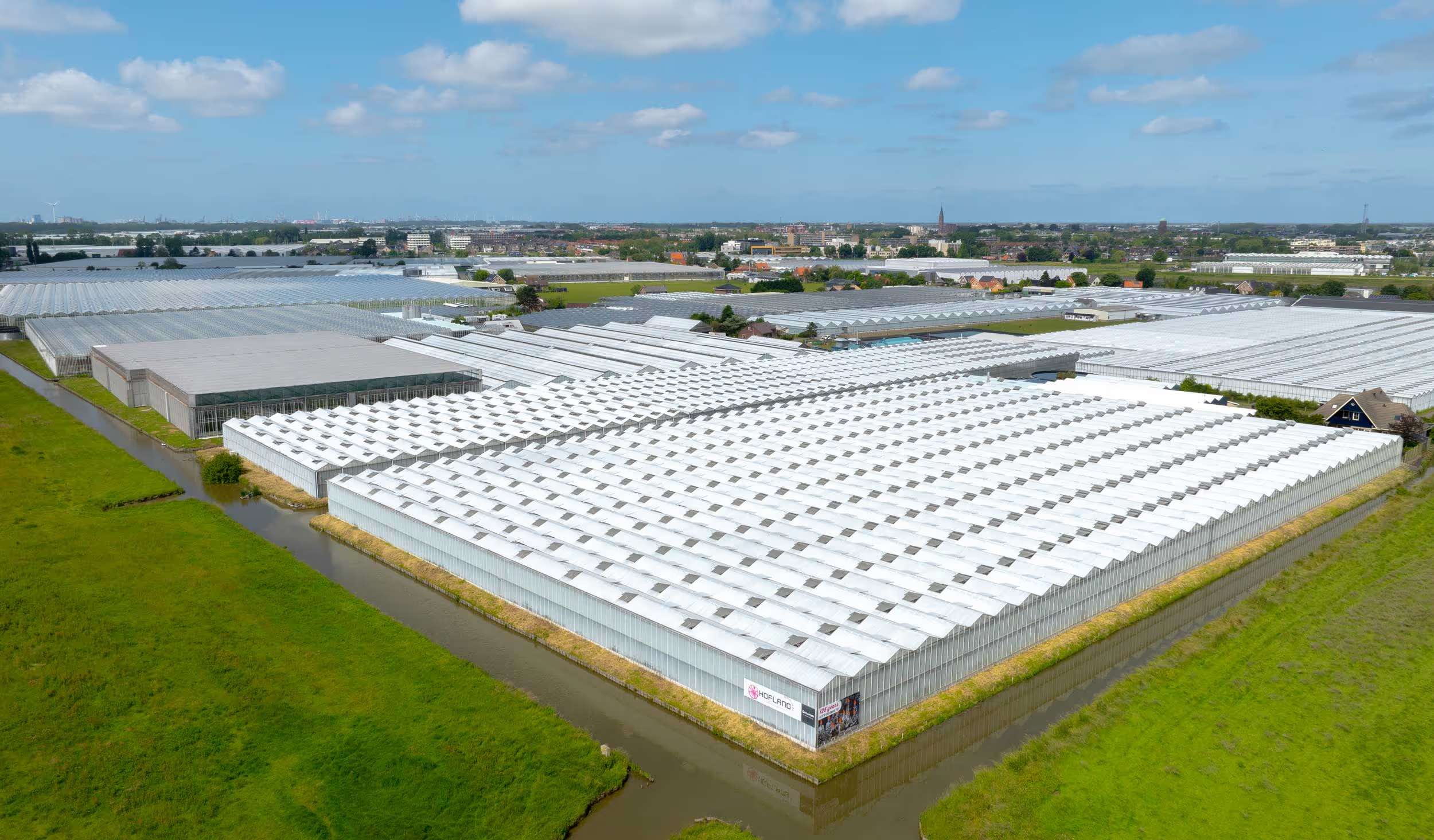
Floriculture is the collective name for everything related to the cultivation, trade and distribution of flowers, plants, bulbs and trees. The Netherlands has had a strong tradition in growing flowers and plants for centuries and still plays a key role in global trade today. Every day, from greenhouses, nurseries and auctions, millions of flowers and plants find their way to people in Europe and far beyond, carefully grown, transported sustainably and proudly shared.
Sources: Flower Council of Holland (2024); Royal FloraHolland (2025); CBS (2024); The Green City
A sector that connects, innovates and makes you more sustainable
Flowers and plants make people happy and connect, but behind that beauty is a sector that wants to move forward every day. Growers, traders and other parties in the chain are working on healthy crops with as few crop protection agents as possible and more and more natural and energy-efficient solutions.
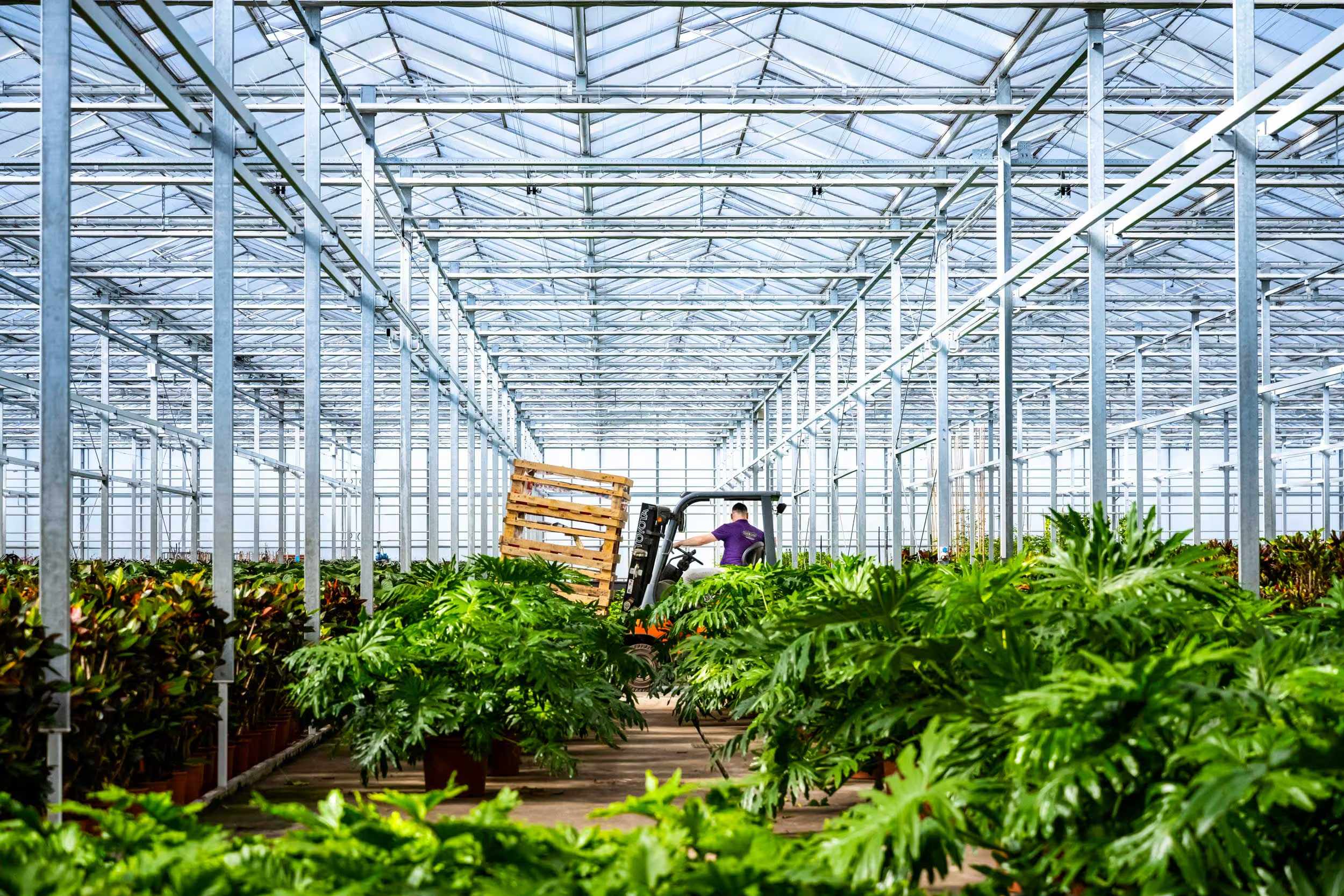
Within greenhouse horticulture, the ambition is to produce climate-neutral by 2040. Open crops are also being worked on further sustainability, always in line with the characteristics of the crop and the landscape in which it grows. Throughout the chain, knowledge is being shared and steps are being taken to grow responsibly and future-oriented.
This is how floriculture continues to grow as a sector that cares for people, nature and the generations that come after us.
Sources: Greenhouse Horticulture Netherlands (2024); Horticultural Agreement (2023); MPS (2024); Green Power Forward
Knowledge, innovation and work for many
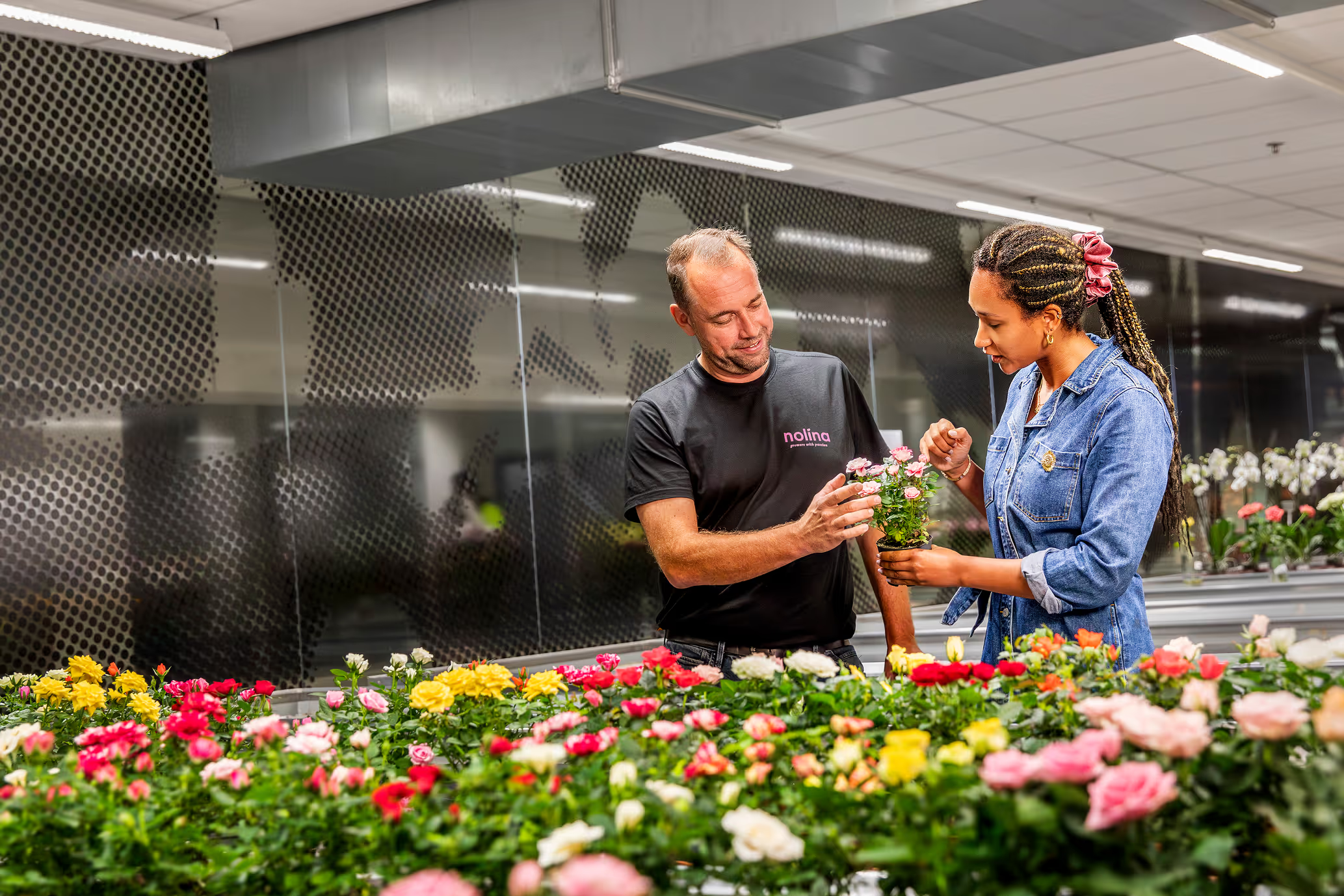
Floriculture is more than nature and aesthetics: it is also a source of knowledge, innovation and employment. Dutch growers and knowledge institutions are leading the world in smart cultivation techniques, biological control agents and energy innovations.
The sector contributes more than €6.6 billion annually to the gross domestic product and offers around 65,000 full-time jobs in the Netherlands. Around 400,000 people worldwide still work for nurseries that deliver to the Netherlands in countries such as Kenya, Ethiopia, Colombia and Ecuador. In this way, floriculture not only provides work here, but also a good income, good education and opportunities in other parts of the world. This creates an international chain in which economic value and social significance come together.
Sources: Royal FloraHolland (2025); WUR (2023); Fairtrade International (2024)
A collaborative sector with global significance
The strength of floriculture lies in cooperation. From breeder to florist: each link contributes to the quality, sustainability and reputation of the sector. Industry organizations, growers and trading companies work together to share knowledge, accelerate innovations and make the sector more sustainable.
Together, they show that flowers and plants are more than just a product. They bring well-being, economy and nature together. In this way, the Netherlands remains a source of inspiration for global flower and plant cultivation, rooted in craftsmanship and focused on the future.
Sources: Floriculture Sector Consultation (2025); Plant and Flower Foundation Holland (2024)
In short
- The Netherlands has been a center for flower and plant cultivation for centuries.
- Flowers provide atmosphere, emotion and connection. They mark important moments in human life. Plants green and cool our cities. They improve air and living quality and reduce stress.
- Annual export value: €9.1 billion.
- 90% of flower growers use biological control.
- 65,000 full-time jobs in the Netherlands, 400,000 worldwide.
- Ambition: climate neutral by 2040 and fully certified by 2027.
- Only 5.7% of Dutch farmland is used for floriculture, both in the open air and inside greenhouses (closed cultivation).
- Horticulture has been designated as a top sector by the Dutch government as a knowledge-intensive sector, as evidenced by €1 billion spent on research & development. 5% of total Dutch R&D expenditures. Flowers provide atmosphere, emotion and connection. They mark important moments in human life. Plants green and cool our cities. They improve air and living quality and reduce stress.
Sources: CBS (2024); MPS (2024); Royal FloraHolland (2025)
The floriculture sector
%20NL.avif)