
Floriculture makes the Netherlands more environmentally friendly and aims to keep flowers and plants affordable.
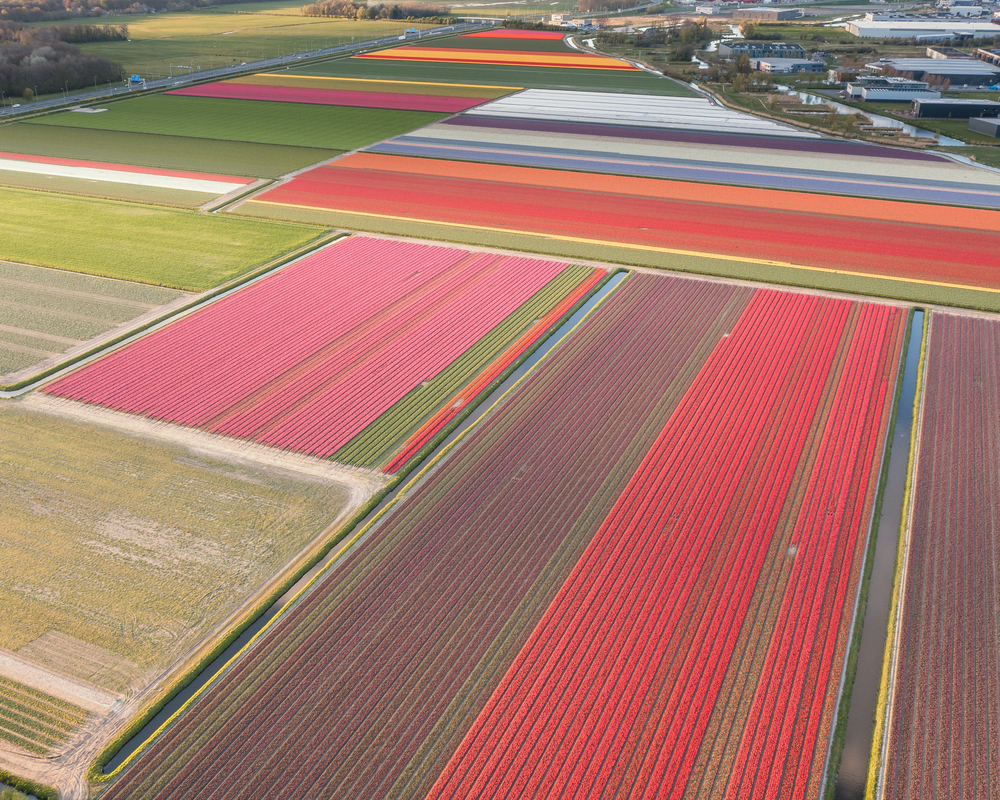
The proposed increase in VAT on floriculture, as announced on 30 January 2026 during the presentation of the new cabinet's coalition agreement, will have very negative consequences for greening, well-being, employment and the Netherlands' export position. Ultimately, the measure will not generate the intended additional revenue for the national budget.
Greening cities, restoring biodiversity and creating a healthy living environment are rightly high on the new coalition's agenda. Floriculture plays a key role in this. Flowers, plants, trees and bulbs make cities greener and cooler, provide food for bees and other pollinators and help combat climate change.
A colourful living environment also improves people's health and well-being. An increase in VAT on floriculture is at odds with the coalition's ambitions for a greener, healthier Netherlands and makes it impossible for people on low incomes to buy flowers and plants for their homes.
A research report by WUR (2023) shows that a VAT increase in the Netherlands alone will lead to a decline in consumer demand of 390 million euros, resulting in the loss of 2,440 full-time jobs in the supply chain. In practice, this mechanism appears to work as follows. In Spain, the reduced VAT rate of 8% was increased to 21% in July 2012. Between 2012 and 2014, product revenues in the supply chain fell by more than 25% and 23% of florists went bankrupt. In 2015, the reduced rate was therefore reintroduced in Spain.
Floriculture is one of the most valuable sectors in the Netherlands, with:
- an export value of approximately €9.1 billion for floriculture products in 2024;
- employment: floriculture provides 65,000 jobs in the Netherlands (WUR report, 2023);
- innovation: the sector provides innovative cultivation methods and is knowledge-intensive, accounting for approximately 5% of total Dutch R&D expenditure.
A VAT increase weakens our export position: Dutch flowers, plants, trees, and bulbs become luxury products. Other EU countries are opting for a reduced rate precisely to maintain trade, employment and competitiveness.
The low VAT rate, in force since 1975, ensures that flowers and plants remain affordable and supports greening, well-being, employment and competitiveness.

