
Growers aware of crop protection's environmental impact: sector wants to make more use of green alternatives
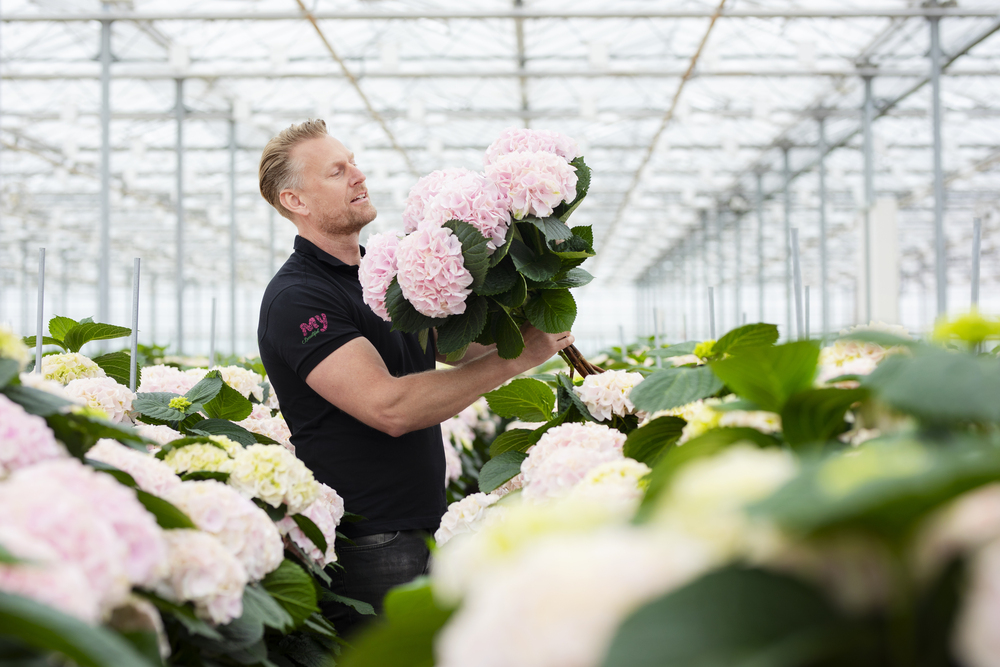
In the floriculture sector, 83% of entrepreneurs are aware of the environmental impact of the chemical plant protection products they use. There is a strong desire among a large number of them to use more “green” alternatives. However, more than half (53%) experience problems in making crop protection more sustainable. They need more availability of alternatives, clear and consistent laws and regulations for all countries, and more technical knowledge and information. This is evident from the latest FloraHolland Trend Report, published today by Royal FloraHolland.
52% of the respondents want to make more use of biological agents and an equal proportion want to strengthen plant resilience to make crop protection in the company more sustainable. Four out of ten see opportunities in the field of prevention (such as resistant varieties and hygiene).
Concerns among growers and buyers
Crop protection is one of the biggest concerns with regard to the security of life as a grower; 53% of growers say they are concerned about this. Increasing laws and regulations (61%) and staff shortages and labour costs (46%) are also issues of concern. It is remarkable that concerns about making the sector more sustainable, in general, have declined: from 30% in the first trend report to 17% now.
The Floriculture Trend Report shows that almost three quarters (74%) are positive or neutral about making the sector more sustainable. And that many entrepreneurs are already working: 85% of the growers have now taken action to grow more sustainably. David van Mechelen, interim CEO of Royal FloraHolland: “As a cooperative, we think it's a good development that more and more entrepreneurs understand that making the sector more sustainable is necessary. Of course, we want to support our members in the best possible way in this transition. For example, we are focusing on the accelerated admission of green alternatives, so that the switch to almost chemical-free cultivation can be easier and faster. We are also lobbying for more flexibility with regard to rules that play a role in sustainability transitions. That works; one example is the Ministry of Economic Affairs's new approach to combating regulatory pressure. '
Sustainability is more than just crop protection
Making the sector more sustainable requires more adjustments than just crop protection. It also requires smart use of issues such as energy, working conditions, packaging and water. A growing number of growers and buyers (80% compared to 75% last time) indicate that cooperation is (very) important. There appears to be a great need for uniformity: 84% of growers believe that the legal sustainability requirements should be uniform in all countries. In the first trend report (July 2025), this was still 73%.
Maarten Bánki, Head of Sustainability at Royal FloraHolland: “We understand that wish. The fact is that growers from Kenya, for example, have to deal with a completely different climate, different cultivation conditions and different pest pressure. This also requires a different approach and resources. It is positive to see that the Kenyan government is currently bringing its legislation for crop protection in horticulture more in line with EU legislation. Certification can provide more transparency about products and crop protection and help the transition to more sustainable crop protection. I like to see that so many entrepreneurs understand that cooperation is crucial in making the sector more sustainable. At Royal FloraHolland, we facilitate this cooperation by connecting parties, stimulating knowledge sharing and supporting joint initiatives. This is how we create space for innovation and accelerate the sustainability of our chain. Only by working together and looking ahead can we prepare the floriculture sector for the future. '
Download Trend Report | Royal FloraHolland

